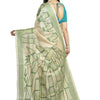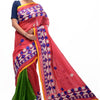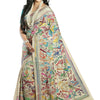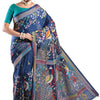
Real vs Fake Kantha Stitch Saree:
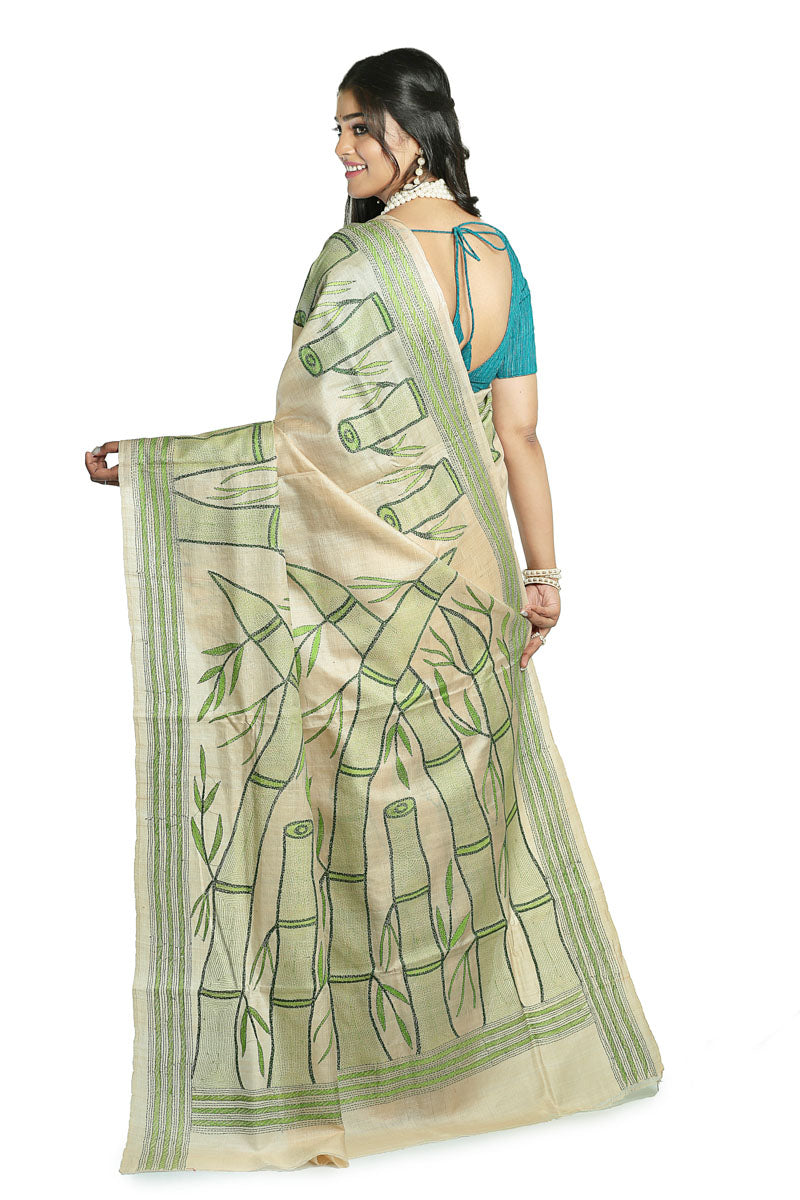
How to Spot Authentic Handwork Before You Buy
By Banglarsare | Handloom & Heritage Experts, Kolkata
Kantha stitch sarees are one of Bengal's most treasured handloom traditions — a centuries-old art form where skilled artisans embroider intricate patterns using simple running stitches on silk or cotton fabric. Each saree is a labour of love, often taking weeks or even months to complete by hand.
But here's the hard truth: the market is flooded with machine-made imitations that mimic the look of authentic Kantha sarees at a fraction of the price. For an untrained eye, distinguishing a genuine handcrafted Kantha saree from a clever machine copy can feel almost impossible.
We are trying to make a buyer’s favorable reference. Whether you're shopping online or at a local store, these expert tips will help you confidently spot the real thing — and avoid paying premium prices for a factory-made fake.
What Makes a Kantha Stitch Saree 'Authentic'?
Before we dive into the differences, let's understand what authentic Kantha truly means. Genuine Kantha embroidery originates from the villages and workshops of West Bengal — particularly Shantiniketan, Murshidabad, and Kolkata. The word 'Kantha' comes from the Sanskrit word for 'throat' or 'rags', reflecting its humble origins where women would recycle old cotton saris into quilts and wraps, stitching them together with colourful threads.
True Kantha sarees are hand-embroidered by artisans who have learned the craft through generations. Every stitch is placed individually by human hands — which means slight irregularities, natural imperfections, and unique character. No two authentic Kantha sarees are ever identical.
1. Examine the Stitching Pattern Closely
The most reliable test for authenticity is the stitching itself. Authentic Kantha uses a "running stitch" — a straight needle movement going in and out of the fabric in a rhythmic, hand-guided motion.
✔ Real Kantha: The stitches are slightly uneven in length and spacing. You'll notice subtle variations across the design — some stitches longer, some shorter, some slightly tilted. This irregularity is proof of human hands at work.
✔ Fake Kantha: Machine embroidery produces perfectly uniform stitches with identical spacing throughout the entire saree. Every line looks mechanically precise. Too much perfection of stiches only possible in machine embroidery.
Hold the saree up to natural light and look closely at the reverse side. On a genuine Kantha saree, the back of the fabric will show a mirror-like pattern of the front design — because the running stitch naturally creates a negative impression on the other side. Machine embroidery backs often look messy or have looped threads.
2. Feelings of the Texture on Saree’s
Authentic Kantha sarees have a very distinctive texture that comes from the layering of threads and the handwork applied to the base on saree’s.
✔ Real Kantha: The embroidered areas feel slightly raised and textured when you run your fingers over them. There's a gentle relief to the design. The overall saree has a soft, lived-in quality — especially in Tussar silk or pure silk Kantha varieties.
✔ Fake Kantha: Machine-embroidered sarees often feel flat and stiff in the embroidered areas. The threads may also feel scratchy or synthetic, especially if low-quality polyester threads were used to cut costs.
Genuine hand-embroidered sarees feel naturally supple. A stiff or plasticky feel is a strong indicator that you're dealing with machine work.
3. Check the Density and Coverage of Embroidery
In authentic Kantha work, the embroidery covers large portions of the saree — including the body, pallu (the decorative end), and borders. The artisan invests enormous time filling in motifs with dense, layered stitching.
✔ Real Kantha: The design motifs — whether birds, flowers, fish, trees, or geometric patterns — are filled with close, dense stitching. The background fabric around the motifs is often also stitched lightly in horizontal running lines, giving the saree its characteristic textured look.
✔ Fake Kantha: Machine copies often show sparse embroidery only on the outlines of motifs, leaving the inner areas of the design unfilled or lightly embroidered. This is done to cut machine time and thread costs.
4. Study the Motifs and Storytelling
Kantha embroidery is not just decoration — it tells stories. Traditional Kantha motifs are deeply symbolic, drawn from nature, mythology, and everyday Bengali life. Common authentic motifs include the Kalpa Vriksha (tree of life), lotus flowers, peacocks, fish (a Bengali symbol of prosperity), elephants, and scenes from the Ramayana or village life.
✔ Real Kantha: The motifs have a folk-art quality — charming, slightly naive, and storytelling-driven. You can see the artisan's individual artistic interpretation in how animals are drawn, how faces are depicted, or how border patterns flow organically.
✔ Fake Kantha: Machine-produced designs tend to be repetitive and sterile. The same motif is repeated at perfectly regular intervals with zero variation. The designs may also look generic — lacking the cultural depth of traditional Kantha iconography.
If you're buying a Kantha saree inspired by Shantiniketan or Bishnupur traditions, the motifs should feel rooted in Bengali cultural identity — not like generic floral prints that could come from any machine loom.
5. Inspect the Thread Used
The thread quality and type used in Kantha embroidery is another significant giveaway.
✔ Real Kantha: Authentic artisans use colourful cotton or silk threads — sometimes even recycled threads from old sarees. The threads have a natural, matte appearance with a soft sheen.
✔ Fake Kantha: Machine embroidery often uses polyester or rayon threads that are glossy, cheap, and synthetic-looking. These threads reflect light differently from natural cotton or silk threads.
Under good light, compare how the thread shines. Natural silk thread has a soft, diffused lustre. Synthetic threads have a harsh, metallic sheen. Trust your instincts here — if it looks "too shiny" or "plasticky", it probably is.
6. Ask About the Base Fabric
Genuine Kantha sarees are traditionally made on cotton or silk base fabrics. The most premium varieties use pure Tussar silk, Bangalore silk, or Murshidabad silk as the base.
✔ Real Kantha: The base fabric has natural texture and breathability. Pure silk Kantha sarees have a characteristic light-weight drape and soft feel. Cotton Kantha sarees feel cool and breathable.
✔ Fake Kantha: Imitation Kantha sarees may use synthetic georgette, polyester satin, or blended fabrics as the base — which are cheaper but completely inauthentic to the tradition.
You can do a simple burn test if you have a loose thread: natural silk or cotton threads produce a charred smell similar to burning hair or paper and leave a crushable ash. Synthetic fibres melt, smell of burning plastic, and leave a hard bead.
7. Look at the Price
This one might seem obvious, but it's worth stating clearly: authentic Kantha stitch sarees are never cheap.
A single Kantha saree can take anywhere from 15 days to 3 months to complete, depending on the complexity of the embroidery. When you factor in the artisan's time, skill, and the cost of quality fabric and threads, a genuine Kantha saree will typically start from ₹3,500 for simpler cotton varieties and can go well beyond ₹15,000 for elaborate pure silk Kantha creations.
✔ Red Flag: If someone is selling a 'Kantha saree' for ₹500–₹1,200, it is almost certainly machine-made. Authentic handwork simply cannot be priced that low without exploiting the artisan.
8. Buy from Trusted, Verified Sources
Perhaps the most reliable safeguard against fake Kantha sarees is where you buy from. Established handloom stores, government-certified cooperatives, and reputable online stores that deal directly with artisan communities are your safest options.
• Look for GI (Geographical Indication) tag products — West Bengal Kantha is a protected craft.
• Ask the seller about the artisan or workshop the saree came from.
• Request for Silk Mark Tag for authenticity of Pure Silk Kantha Stitch Saree.
• Prefer sellers who show videos or photos of the actual crafting process.
At Banglarsare, every Kantha stitch saree in our collection is sourced directly from skilled artisans in West Bengal. We work with weavers and embroiderers across Kolkata, Shantiniketan, and surrounding regions — ensuring that every piece you receive is genuinely handcrafted, fairly priced, and comes with the story of the hands that made it.
Quick Reference: Real vs Fake Kantha at a Glance
Feature REAL Kantha FAKE (Machine-made)
Stitches Slightly uneven, hand-guided Perfectly uniform, mechanical
Back of fabric Mirror image of front design Looped/messy threads
Texture Raised, soft, natural Flat, stiff, plastic-like
Thread Cotton or silk, natural sheen Polyester, harsh gloss
Motifs Folk-art, storytelling, varied Repetitive, generic, sterile
Embroidery fill Dense, layered, full coverage Sparse outlines only
Price ₹3,500 and above Suspiciously low (₹500–₹1,200)
Final Thoughts: Why Authenticity Matters
Buying a genuine Kantha stitch saree is not just a fashion choice — it's a conscious act of preserving a living heritage. Every authentic Kantha saree you purchase supports a real artisan family in West Bengal, keeps a centuries-old tradition alive, and ensures that this extraordinary craft continues to flourish for generations to come.
The next time you're drawn to the beautiful running-stitch patterns of a Kantha saree, take a moment to look closer. Feel the fabric. Study the stitches. Ask about its origins. The difference between real and fake isn't just in the saree — it's in the story it carries.
When you buy authentic, you don't just wear a saree. You wear history.
Explore Our Authentic Kantha Stitch Saree Collection
banglarsare.com/collections/kantha-stitch-sarees
Direct from artisan hands. Rooted in Bengal. Delivered to your door